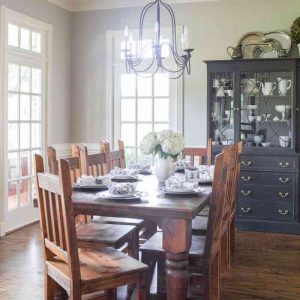
Dining Room Lighting Ideas sets the stage for this enthralling narrative, offering readers a glimpse into a story that is rich in detail and brimming with originality from the outset. From the layout to the impact of lighting, this guide will shed light on illuminating your dining room in style.
When it comes to designing your dining room, lighting plays a crucial role in creating the perfect ambiance for meals and gatherings. Let’s explore how you can transform your space with the right lighting choices.
DINING ROOM
A typical dining room layout often consists of a table and chairs as the central focus, with additional furniture such as a buffet, sideboard, or cabinet along the walls. The room is usually situated adjacent to the kitchen for easy access during meals.
Common elements found in a dining room include a dining table, chairs, lighting fixtures, a rug, curtains or blinds for windows, and wall decorations such as artwork or mirrors. Some dining rooms may also feature a bar cart, china cabinet, or wine rack for added functionality and style.
The importance of lighting in a dining room cannot be overstated. Proper lighting can create ambiance, highlight the dining table and decor, and enhance the overall dining experience. Whether it’s a pendant light above the table, wall sconces for accent lighting, or a chandelier as a statement piece, the right lighting can transform the look and feel of a dining room.
Types of Lighting Fixtures
- Pendant Lights: Suspended from the ceiling, these lights provide focused illumination over the dining table.
- Chandeliers: Usually placed centrally above the table, chandeliers add elegance and style to the dining room.
- Wall Sconces: Mounted on walls, these fixtures offer ambient lighting and can complement the overall decor.
- Recessed Lighting: Installed in the ceiling, recessed lights provide general lighting and can be dimmed for different occasions.
DINING ROOM LIGHTING IDEAS
When it comes to creating the perfect dining room ambiance, lighting plays a crucial role in setting the mood. The right lighting fixtures can enhance the dining experience, making meals more enjoyable and gatherings more inviting.
Types of Lighting Fixtures
- Chandeliers: A classic choice for dining rooms, chandeliers add elegance and sophistication to the space. They come in various styles and sizes to fit different room dimensions.
- Pendant Lights: These fixtures hang from the ceiling and provide focused lighting over the dining table. They come in a wide range of designs, from sleek and modern to ornate and traditional.
- Wall Sconces: Wall-mounted sconces can add a warm and inviting glow to the dining room, perfect for creating a cozy atmosphere during meals.
- Recessed Lighting: Recessed lights are discreet and versatile, providing ambient lighting that can be dimmed or brightened as needed. They are great for overall illumination in the dining area.
Natural Light vs Artificial Lighting
Natural light can create a bright and airy feel in the dining room, making it feel more spacious and inviting. It also helps to showcase the colors and textures of the decor. However, artificial lighting is essential for evenings or cloudy days when natural light may be lacking. It allows for more control over the intensity and warmth of the light, helping to create a cozy and intimate dining atmosphere.
FUNCTIONALITY

When it comes to dining room lighting, functionality plays a crucial role in creating the right ambiance for meal times and gatherings. Selecting the appropriate lighting that complements the dining room’s function is essential for both practicality and aesthetics.
The Importance of Task Lighting
Task lighting is a key element in a dining room as it provides focused illumination for activities such as eating, reading, or working. Placing task lighting, such as pendant lights or wall sconces, above the dining table helps to create a well-lit environment for these tasks.
- Task lighting ensures that the dining table is properly illuminated, making it easier to see and enjoy meals.
- It helps to enhance the overall dining experience by providing adequate light for various activities.
- Task lighting can also highlight the centerpiece or decor elements on the table, adding to the visual appeal of the dining room.
Layering Lighting for Functionality and Aesthetics
Layering lighting involves combining different types of fixtures to create a balanced and versatile lighting scheme in the dining room. By incorporating ambient, task, and accent lighting, you can enhance both the functionality and aesthetics of the space.
- Ambient lighting sets the overall mood and brightness level in the dining room, creating a welcoming atmosphere for meals and gatherings.
- Task lighting focuses on specific areas like the dining table, providing adequate light for activities while adding a decorative touch to the room.
- Accent lighting highlights architectural features, artwork, or decor elements in the dining room, adding depth and visual interest to the space.
STYLE AND DESIGN

Lighting plays a crucial role in enhancing the style and design of a dining room. The right lighting can create a warm and inviting ambiance, while also highlighting key features of the room’s decor. By strategically placing lighting fixtures, you can add depth, dimension, and visual interest to the space.
Incorporating Statement Lighting Pieces
When it comes to incorporating statement lighting pieces in the dining room, consider opting for a chandelier or a pendant light. These fixtures not only provide ample illumination but also serve as a focal point in the room. Choose a design that complements the overall style of the dining room, whether it be modern, traditional, or eclectic. Additionally, consider the size of the fixture in relation to the size of the dining table to ensure proper scale and proportion.
Color Temperature and Ambiance
Color temperature is an important factor to consider when selecting lighting for the dining room. Warm white light (around 2700-3000 Kelvin) creates a cozy and intimate atmosphere, perfect for dining and entertaining. On the other hand, cool white light (around 4000-5000 Kelvin) can make the space feel brighter and more energizing. By choosing the right color temperature, you can set the mood and ambiance of the dining room to suit different occasions and preferences.
Elevate your dining experience with these innovative lighting ideas that not only illuminate but also enhance the overall design and functionality of your space. Discover the transformative power of lighting in crafting a dining room that truly shines.
Top FAQs
How can I choose the right lighting for my dining room?
Consider the size of the room, the desired ambiance, and the functions the lighting needs to serve to select the perfect fixtures.
What are some creative ways to incorporate statement lighting in a dining room?
You can opt for a chandelier, pendant lights, or unique light fixtures to make a bold design statement.
Does natural light or artificial lighting work better in a dining room?
Natural light can create a warm and inviting atmosphere, while artificial lighting allows for more control over brightness and mood.