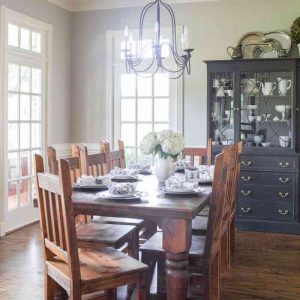
Embark on a journey through the enchanting world of Rustic Dining Room Decor, where natural elements and timeless charm converge to create a warm and inviting space for gatherings and meals.
Explore the essence of rustic decor, from the use of natural materials to the art of blending colors and textures seamlessly.
Introduction to Rustic Dining Room Decor
Rustic dining room decor embodies a cozy, natural, and inviting aesthetic that brings the charm of the countryside into your home. This style celebrates the beauty of imperfections, natural materials, and a sense of warmth and comfort.
Key Elements of Rustic Dining Room Decor
- Natural Materials: Rustic decor often features wood, stone, and other natural materials that add texture and warmth to the space.
- Earthy Color Palette: Earth tones like browns, greens, and warm neutrals are commonly used in rustic dining rooms to create a sense of harmony with nature.
- Vintage and Handcrafted Elements: Antique pieces, handcrafted furniture, and vintage decor items play a significant role in achieving a rustic look.
- Cozy Textiles: Soft textiles like wool rugs, linen curtains, and cozy throw blankets enhance the comfort and warmth of a rustic dining room.
Appeal and Popularity of Rustic Style in Dining Spaces
Rustic dining room decor has gained popularity for its ability to create a welcoming and relaxed atmosphere where family and friends can gather to enjoy meals together. The timeless charm of rustic style resonates with those seeking a connection to nature and a sense of nostalgia for simpler times.
Incorporating Natural Materials
When it comes to rustic dining room decor, incorporating natural materials like wood, stone, and metal can bring a sense of warmth and authenticity to the space. These elements can enhance the rustic appeal of a dining room by adding texture, earthy tones, and a connection to nature.
Wood
Wood is a versatile natural material that is commonly used in rustic decor. From reclaimed barn wood dining tables to wooden beams on the ceiling, wood can add a touch of rugged elegance to a dining room. The natural grain and imperfections of wood create a sense of history and character, making it a perfect choice for rustic interiors.
Stone
Stone accents, such as a stone fireplace or a stone accent wall, can add a rustic charm to a dining room. The texture and earthy colors of stone can create a cozy and inviting atmosphere. Whether it’s a natural stone slab as a dining table top or stone veneer on the walls, incorporating stone elements can elevate the rustic aesthetic of the space.
Metal
Metallic accents like wrought iron chandeliers, copper light fixtures, or steel hardware can add an industrial edge to a rustic dining room. The contrast between the natural materials like wood and stone with the sleekness of metal can create a dynamic look. Metal elements can also introduce a touch of modernity to a traditional rustic space.
Sustainability Aspect
Using natural materials in decor not only adds aesthetic value but also promotes sustainability. Opting for reclaimed wood, locally sourced stone, and recycled metal reduces the environmental impact of furniture and decor production. By choosing sustainable materials, you can create a eco-friendly dining room that aligns with your values and contributes to a greener planet.
Color Schemes and Textures
When it comes to creating a rustic dining room decor, choosing the right color schemes and textures is crucial in setting the cozy and inviting atmosphere you desire. The combination of colors and textures can truly transform a space and bring out the rustic charm you’re aiming for.
Suitable Color Schemes for a Rustic Dining Room
In a rustic dining room, earthy tones are your best friends. Think warm browns, rich greens, deep reds, and muted yellows. These colors mimic the natural elements found in the outdoors and help create a sense of warmth and comfort. You can also consider incorporating neutral colors like beige, cream, and gray to balance out the earthy tones and add a touch of sophistication to the space.
The Importance of Textures in Creating a Cozy Rustic Atmosphere
Textures play a significant role in adding depth and character to a rustic dining room. Consider incorporating rough textures like reclaimed wood, stone, and wrought iron to enhance the rustic feel. Soft textures such as cozy wool rugs, plush cushions, and linen curtains can also create a sense of warmth and comfort. Mixing different textures adds visual interest and makes the space feel more inviting and lived-in.
Tips on Mixing and Matching Colors and Textures Effectively
Start with a neutral base
Begin with a neutral color palette as the foundation and then layer on richer, earthy tones for depth.
Contrast textures
Mix rough textures with soft textures to create a balanced and harmonious look. For example, pair a rough wooden dining table with soft upholstered chairs.
Add pops of color
Introduce pops of color through accessories like throw pillows, table linens, and artwork to add visual interest and personality to the space.
Consider the lighting
Lighting can affect how colors and textures are perceived in a room. Opt for warm, soft lighting to enhance the cozy ambiance of a rustic dining room.
Furniture and Layout

When it comes to creating a rustic dining room, selecting the right furniture pieces and optimizing the layout are key factors in achieving the desired aesthetic and functionality.
Selecting Rustic Furniture Pieces
- Opt for wooden tables and chairs with a distressed finish to add a rustic touch to the dining room.
- Consider incorporating reclaimed wood furniture for a more authentic and sustainable look.
- Mix and match different furniture pieces to create a layered and eclectic feel in the space.
- Look for furniture with natural textures like woven details or leather upholstery to enhance the rustic vibe.
Layout Considerations
- Ensure there is enough space between furniture pieces to allow for easy movement and comfortable seating.
- Consider the flow of the room and position furniture in a way that promotes social interaction during meals.
- Optimize natural light by placing the dining table near windows or adding light fixtures that complement the rustic decor.
- Balance the layout by incorporating both functional and decorative elements to create a welcoming and cozy atmosphere.
DINING ROOM

A well-designed dining room plays a crucial role in enhancing the overall aesthetic appeal and functionality of a home. It serves as a space where family and friends gather to share meals, engage in conversations, and create lasting memories. The design of a dining room can greatly influence the ambiance of the entire house, making it a focal point for social gatherings and relaxation.
Importance of Dining Room Design
Creating a functional and visually appealing dining space is essential for maximizing its potential within a home. Here are some tips on how to achieve this:
- Consider the layout: Ensure that the dining room layout allows for easy movement and access to the table. Positioning the table near natural light sources can enhance the dining experience.
- Choose the right furniture: Selecting furniture that complements the style of the room and provides comfort is key. Consider the size of the table, chairs, and any additional pieces like a buffet or hutch.
- Incorporate natural materials: Using natural materials like wood, stone, or metal can add warmth and texture to the dining room. Consider incorporating elements like a wooden dining table, stone accent wall, or metal light fixtures.
- Play with color schemes: Opt for a color palette that reflects the desired ambiance of the dining room. Soft, neutral tones can create a calming atmosphere, while bold colors can add a touch of vibrancy.
- Add textures: Incorporating different textures through textiles, wall finishes, or decor items can add depth and visual interest to the space. Consider using textured rugs, upholstered chairs, or decorative wall panels.
In conclusion, Rustic Dining Room Decor offers a unique blend of comfort, style, and sustainability, making it a timeless choice for creating a cozy dining space that exudes character and warmth.
General Inquiries
How can I enhance the rustic appeal of my dining room?
To enhance the rustic appeal of your dining room, consider incorporating natural materials like wood, stone, and metal, along with earthy color schemes and cozy textures.
What are some key elements of rustic dining room decor?
Key elements of rustic dining room decor include the use of natural materials, earthy color palettes, vintage-inspired furniture, and a cozy ambiance that evokes a sense of warmth and comfort.
How important is the layout in a rustic dining room?
The layout of a rustic dining room plays a crucial role in optimizing the space for both functionality and aesthetics, ensuring a harmonious flow and balance in the overall design.