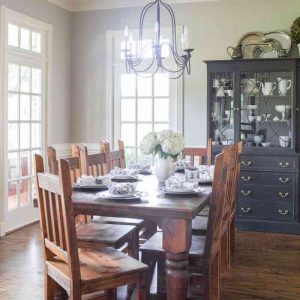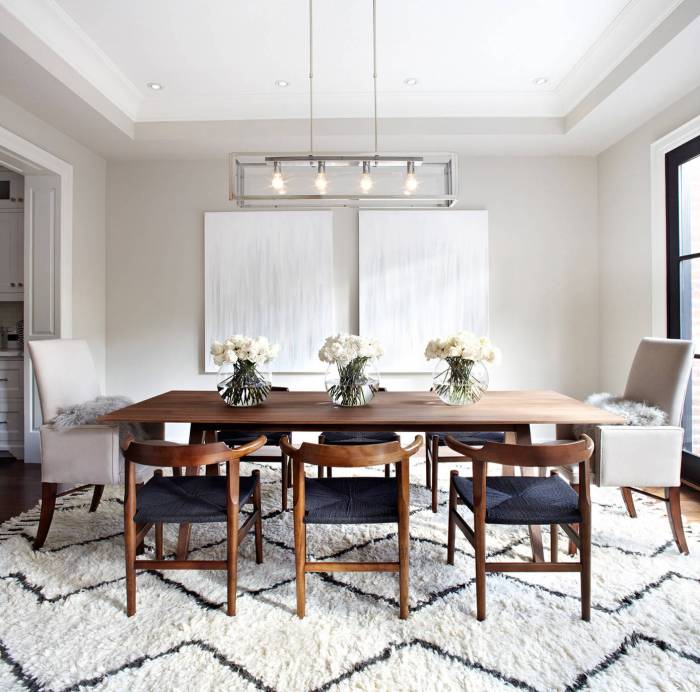
Embrace the serene elegance of Scandinavian design in your dining room. This style, characterized by its minimalist aesthetic and functional approach, creates a space that is both beautiful and inviting. We’ll explore the key elements that define Scandinavian dining room decor, from furniture selection and color palettes to lighting and the incorporation of natural materials.
This guide delves into the core principles of Scandinavian design, demonstrating how to achieve a balanced and harmonious atmosphere through thoughtful choices in furniture, decor, and lighting. We’ll examine how natural light plays a crucial role, and how to effectively layer artificial light sources to create the perfect ambiance for both casual gatherings and formal dinners.
Defining Scandinavian Style in Dining Rooms
Scandinavian design, often referred to as Nordic design, is a popular interior design style characterized by its minimalist aesthetic, functionality, and connection to nature. When applied to a dining room, this translates to a space that is both stylish and practical, emphasizing comfort and ease of use. The overall effect is one of clean lines, light-filled spaces, and a sense of calm.Scandinavian dining rooms prioritize functionality and simplicity.
Every piece of furniture serves a purpose, and clutter is kept to a minimum. The focus is on creating a welcoming and comfortable environment for shared meals and social gatherings, rather than showcasing ostentatious displays of wealth or intricate decorations. The style emphasizes the beauty of natural materials and simple forms, creating a sense of understated elegance.
Natural Materials in Scandinavian Dining Rooms
The use of natural materials is a cornerstone of Scandinavian design. Wood, in particular, plays a central role, often appearing in the dining table, chairs, and flooring. Light-colored woods like birch and pine are favored for their brightness and ability to reflect light, making the space feel larger and more airy. Stone, particularly in lighter shades, can be incorporated into the flooring or as a countertop material, adding a touch of rustic elegance.
Other natural materials, such as linen for curtains or upholstery, and wool for rugs, further enhance the organic feel of the room. For instance, a dining table crafted from solid oak, paired with linen-upholstered chairs and a wool rug, exemplifies the effective use of these materials.
Color Palettes in Scandinavian Dining Rooms
Scandinavian dining rooms typically feature a neutral color palette, with white, beige, and gray forming the base. These light and airy colors help to maximize the amount of natural light in the room, creating a bright and inviting atmosphere. Accents of color are often introduced sparingly, using muted tones like pastels or deep blues and greens. These accent colors might be found in artwork, textiles, or smaller decorative items.
A dining room painted in a soft gray, with white walls and beige linen curtains, accented by a few teal cushions and a blue and white patterned rug, illustrates a typical Scandinavian color scheme.
Scandinavian-Inspired Lighting Solutions for Dining Rooms
Lighting is crucial in creating the desired ambiance in a Scandinavian dining room. Natural light is maximized through large windows and light-colored walls. Artificial lighting is often layered to provide both ambient and task lighting. Pendant lights, particularly those with simple, minimalist designs, are frequently used above the dining table. Floor lamps and table lamps provide additional ambient lighting, while strategically placed spotlights can highlight artwork or other decorative elements.
For example, a simple, white pendant light made from natural materials, paired with a floor lamp with a linen shade, would create a warm and inviting atmosphere. The overall lighting scheme should be soft and diffused, avoiding harsh shadows and creating a relaxing and comfortable environment.
Furniture Selection for a Scandinavian Dining Room
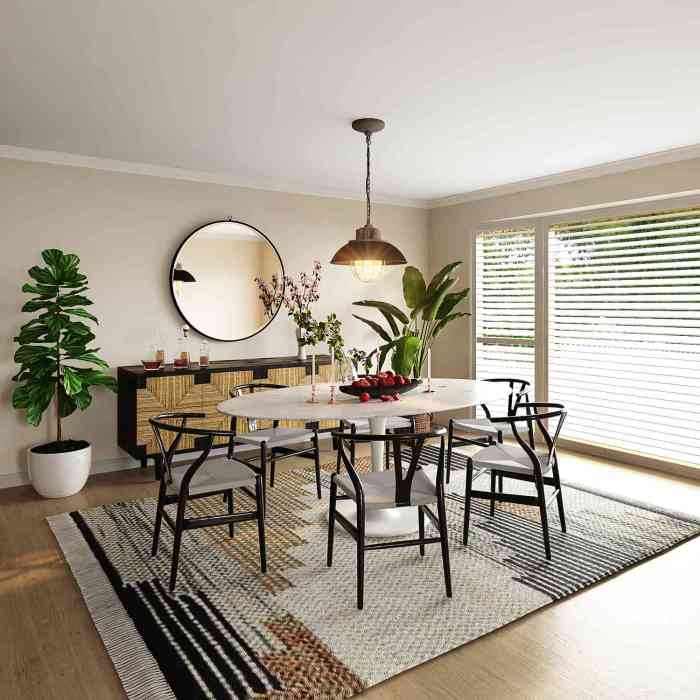
Creating a truly Scandinavian dining room hinges on thoughtful furniture selection. The key is to balance functionality with minimalist aesthetics, prioritizing natural materials and clean lines. A well-chosen dining set will anchor the room and set the tone for the overall ambiance.
Scandinavian Dining Room Furniture Layout
A typical Scandinavian dining room layout emphasizes practicality and flow. The dining table is usually positioned centrally, allowing easy access from all sides. Depending on the room’s size and shape, the table might be placed against a wall, but this is less common in larger spaces where a more open arrangement is preferred. Chairs are typically arranged around the table, with additional seating, such as a bench or extra chairs, potentially placed against a wall if space allows.
Consider leaving sufficient space between the table and surrounding furniture to ensure comfortable movement. A sideboard or buffet, if included, is often placed against a wall, offering extra storage and surface area. The overall layout should encourage conversation and a relaxed atmosphere.
Scandinavian Dining Chair Styles
Scandinavian dining chairs are renowned for their comfort and simple elegance. Several styles are popular. The classic Wishbone chair, designed by Hans Wegner, exemplifies the style with its iconic Y-back and comfortable, curved seat. Its simple yet elegant design is highly versatile and timeless. In contrast, a more modern approach might feature chairs with clean lines and tapered legs, potentially upholstered in natural fabrics like wool or linen.
These chairs often prioritize minimalism, featuring a less ornate design than the Wishbone. Another common style involves chairs made entirely of wood, with simple, unadorned shapes. These chairs often highlight the natural beauty of the wood grain and can range from rustic to refined depending on the wood type and finish. The choice depends on the desired level of formality and the overall aesthetic of the room.
Wood Types in Scandinavian Dining Tables
The choice of wood significantly impacts the look and feel of a Scandinavian dining table. Light-colored woods, such as oak, birch, and pine, are favored for their natural warmth and ability to brighten a space. Oak offers durability and a rich grain, while birch provides a lighter, airier feel. Pine, often more affordable, provides a rustic charm.
Darker woods, such as walnut or ash, are less common but can add a sophisticated touch, particularly in larger dining rooms. The wood’s finish also matters; a natural, oiled finish emphasizes the wood’s grain and texture, while a painted finish offers a more modern, minimalist look. The choice depends on personal preference and the existing décor.
Essential Scandinavian Dining Room Furniture
The following table Artikels essential furniture pieces for a Scandinavian dining room, considering their function and aesthetic contribution to the overall style.
| Furniture Piece | Function | Material | Style Considerations |
|---|---|---|---|
| Dining Table | Central gathering point for meals and socialising | Light-colored wood (oak, birch, pine) | Simple, clean lines; potentially extendable for larger gatherings |
| Dining Chairs | Comfortable seating around the table | Wood, upholstered in natural fabrics (wool, linen) | Minimalist design, ergonomic comfort; consider a mix-and-match approach |
| Sideboard/Buffet | Storage for tableware, linens, and other dining essentials | Light-colored wood | Simple design, ample storage space; can double as a serving area |
| Lighting | Ambient and task lighting | Natural materials (wood, paper) | Pendant lights or a simple chandelier; consider a dimmer switch for mood lighting |
Decor and Accessories for a Scandinavian Dining Room
A Scandinavian dining room’s aesthetic hinges not only on its furniture but also on the carefully chosen decor and accessories that complete the look. These elements work together to create a space that is both functional and inviting, reflecting the core principles of Scandinavian design: simplicity, functionality, and natural light. The right accessories can transform a simple room into a haven of understated elegance.
Textiles in a Scandinavian Dining Room
The incorporation of textiles is crucial in achieving a warm and inviting atmosphere within a Scandinavian dining room’s minimalist framework. Natural fibers such as wool, linen, and cotton are preferred, adding texture and warmth while maintaining a sense of simplicity. Rugs define the space, grounding the furniture and adding visual interest. A large, neutral-toned rug in wool or jute, perhaps with subtle pattern, anchors the dining table and chairs.
Curtains, ideally in a light, natural color, soften the light and add privacy without overwhelming the space. Linen or cotton curtains are ideal. Cushions, strategically placed on dining chairs, introduce pops of color or pattern, complementing the overall scheme. For instance, a set of linen cushions in muted shades of grey and beige, perhaps with a single cushion in a bolder, but still natural, color like a deep teal or mustard yellow, could create a sophisticated yet relaxed atmosphere.
Plants and Flowers as Decorative Elements
Plants and flowers are essential elements in bringing life and vibrancy to a Scandinavian dining room. Their natural beauty complements the clean lines and minimalist aesthetic of the design. Strategically placed potted plants, such as a fiddle-leaf fig or a snake plant, add verticality and texture, while a simple bouquet of wildflowers or seasonal blooms in a minimalist vase brings a touch of freshness and color.
The greenery introduces a calming, organic element, balancing the often-neutral color palette of Scandinavian interiors. Consider using varying heights and textures of plants to create visual interest, perhaps placing a taller plant in a corner and smaller succulents on the dining table.
Artwork and Wall Decor for a Scandinavian Dining Room
Artwork and wall decor should be carefully selected to maintain the overall simplicity and elegance of the space. Abstract prints in muted tones, nature-inspired photography, or minimalist line drawings are all suitable options. A single, large piece of art can create a focal point, while a gallery wall of smaller prints can add visual interest without feeling cluttered.
Avoid overly busy or ornate pieces; instead, opt for pieces that complement the overall minimalist aesthetic. For example, a large, framed print of a Scandinavian landscape or a collection of small, black-and-white photographs in simple frames could create a sophisticated and understated display. Mirrors can also be effectively used to enhance the sense of space and reflect natural light, further emphasizing the brightness inherent in Scandinavian design.
Mood Board: A Scandinavian Dining Room
Imagine a dining room bathed in soft, natural light streaming through sheer linen curtains. The walls are painted in a warm, off-white shade, creating a calm and airy atmosphere. The floor is covered in a large, textured jute rug, its natural fibers adding a touch of rustic charm. A simple, light oak dining table sits at the center, surrounded by six sleek, minimalist chairs upholstered in a light grey linen fabric.
A single, large piece of abstract art in muted blues and greys hangs above the table, adding a touch of sophistication. A fiddle-leaf fig stands tall in a corner, its lush green leaves providing a natural contrast to the neutral color palette. A small bouquet of wildflowers in a simple ceramic vase sits on the table, adding a touch of freshness and color.
The overall feeling is one of calm, understated elegance, a space designed for both relaxation and convivial gatherings. The textures are predominantly natural and soft – the smooth wood of the table, the woven fibers of the rug, the soft linen of the chairs and curtains. The color palette is restrained, featuring mostly neutral tones with subtle pops of color from the artwork and flowers.
The abundance of natural light creates a bright and airy space, enhancing the feeling of openness and serenity.
Lighting and Ambiance in a Scandinavian Dining Room
Achieving the right lighting and ambiance is crucial in a Scandinavian dining room, transforming it from a simple space to a warm and inviting haven. The interplay of natural light, strategically placed artificial light sources, and carefully chosen decorative elements creates the characteristically cozy and functional atmosphere of this design style. This section will explore how to effectively illuminate a Scandinavian dining room, emphasizing the creation of a welcoming and comfortable environment.
Designing a Lighting Scheme for a Scandinavian Dining Room
A successful Scandinavian dining room lighting scheme utilizes a layered approach, combining natural light with various artificial sources to create depth and visual interest. Maximizing natural light is paramount; large windows, sheer curtains, and light-colored walls all contribute to a bright and airy feel. Artificial lighting should complement this, avoiding harsh overhead lighting in favor of softer, more diffused options.
This might include a statement pendant light above the dining table, providing focused illumination for meals, supplemented by wall sconces offering ambient light, and perhaps small table lamps on sideboards for task lighting or a softer glow. Consider using dimmers to control the intensity and mood, allowing for flexibility throughout the day and evening.
The Importance of a Warm and Inviting Ambiance
The Scandinavian aesthetic prioritizes comfort and functionality. A warm and inviting ambiance in the dining room is essential for creating a space where family and friends can gather and relax. This is achieved not only through lighting but also through the careful selection of colors, textures, and materials. Think soft, natural materials like wood and wool, combined with calming color palettes featuring whites, creams, and muted blues or greens.
The lighting plays a vital role in enhancing these elements, highlighting textures and creating a sense of coziness, especially during darker winter months. A well-lit space naturally feels more welcoming and encourages conversation and connection.
The Use of Candles and Other Decorative Lighting Elements
Candles are a quintessential element of Scandinavian design, adding a touch of warmth and romanticism. Their soft, flickering light creates a sense of intimacy and complements the overall ambiance. Consider using a variety of candle sizes and holders, from simple votives to larger pillar candles, strategically placed on the dining table, sideboard, or windowsills. Other decorative lighting elements, such as fairy lights or string lights draped across window frames or along shelves, can further enhance the cozy atmosphere.
These add a touch of whimsy and sparkle, particularly effective during the long, dark winter evenings.
Layering Lighting in a Scandinavian Dining Room: A Step-by-Step Guide
Creating the perfect lighting scheme involves a layered approach.
- Assess Natural Light: Begin by evaluating the amount of natural light entering the room. Note the direction and intensity of sunlight throughout the day.
- Choose a Statement Fixture: Select a central lighting fixture, such as a pendant light, that complements the room’s style and provides sufficient illumination for the dining table. Consider a design featuring natural materials like wood or metal.
- Add Ambient Lighting: Incorporate wall sconces or floor lamps to provide softer, diffused light and enhance the room’s overall brightness. These should offer a warmer light temperature than the main fixture.
- Introduce Task Lighting: Include small table lamps on sideboards or consoles for focused light for reading or other tasks. This ensures adequate lighting for various activities in the room.
- Incorporate Decorative Lighting: Use candles and other decorative lighting elements such as fairy lights to add warmth, texture, and a touch of personality to the space. Remember to use dimmers to adjust light levels for various moods and occasions.
The Dining Room
A Scandinavian dining room prioritizes functionality as much as aesthetics. The design should seamlessly integrate with the overall home’s style, fostering a welcoming and practical space for meals, gatherings, and everyday life. A well-planned Scandinavian dining room balances minimalist design with efficient use of space, ensuring both beauty and practicality.Functionality is paramount in a Scandinavian dining room. The space should effortlessly accommodate its primary purpose: dining.
This means considering factors like seating arrangements, table size, and easy access to serving areas. The design should facilitate a smooth and comfortable flow of movement, allowing for easy serving and clearing of the table. A well-designed Scandinavian dining room is not just visually appealing but also highly practical and user-friendly.
Space Flow and Integration
Creating a seamless flow between the dining room and adjacent spaces is key to a successful Scandinavian design. Open-plan layouts are frequently utilized, allowing for a natural transition between the dining area and the kitchen or living room. This can be achieved by using similar flooring materials, color palettes, and furniture styles throughout the connected areas, creating a sense of continuity and spaciousness.
For instance, extending the light wood flooring from the kitchen into the dining room creates a unified and airy feel. Similarly, maintaining a consistent color scheme, such as varying shades of white and grey, can visually link the different areas.
Storage Solutions
Efficient storage is crucial in maintaining the clean and uncluttered aesthetic of a Scandinavian dining room. Built-in shelving or a sleek sideboard can discreetly store tableware, linens, and other dining essentials. A simple, elegant buffet with clean lines and light wood finish can seamlessly blend into the overall design while providing ample storage. Alternatively, a bench with built-in storage beneath the seating provides a practical and space-saving solution for storing extra blankets or placemats.
Utilizing vertical space with tall, narrow shelving units also maximizes storage potential without overwhelming the room.
Maximizing Space and Functionality in Small Dining Rooms
Optimizing space in a small Scandinavian dining room requires careful planning and strategic furniture choices.
- Choose a space-saving dining table: A round or oval table can often seat more people in a smaller space than a square or rectangular table of the same area.
- Utilize wall space: Install floating shelves or a narrow wall-mounted sideboard to maximize storage without taking up floor space.
- Select light and airy furniture: Opt for furniture with light-colored wood or painted finishes to create a sense of spaciousness. Avoid bulky or dark pieces.
- Employ mirrors strategically: A strategically placed mirror can visually expand the space and enhance the feeling of light and airiness. A large mirror on one wall, reflecting natural light, can significantly improve the room’s perceived size.
- Multifunctional furniture: Consider a bench with built-in storage or a dining table that can be folded or extended as needed.
Modern Interpretations of Scandinavian Dining Room Decor
Scandinavian design, known for its minimalist aesthetic and functionality, continues to evolve, embracing contemporary influences while retaining its core principles. Modern interpretations blend traditional Scandinavian elements with bolder colors, unexpected materials, and a greater emphasis on personalization, resulting in spaces that are both stylish and comfortable. This evolution reflects a shift towards a more expressive and individualistic approach to interior design, while still prioritizing natural light, clean lines, and a sense of calm.Modern Scandinavian dining rooms retain the light and airy feel of their traditional counterparts, but incorporate elements that inject personality and a sense of contemporary sophistication.
The key difference lies in the balance between minimalist functionality and the inclusion of more striking design choices. While traditional styles often rely on a muted palette and simple forms, modern interpretations embrace richer textures, bolder color accents, and more eclectic furniture choices.
Incorporating Modern Elements into Traditional Scandinavian Dining Rooms
Achieving a modern take on Scandinavian dining room design involves carefully layering contemporary elements onto the foundational principles of the style. For example, a traditional light wood dining table might be paired with uniquely shaped, brightly colored chairs, adding a pop of unexpected color and form. Geometric patterned rugs, or rugs with a more abstract design, can introduce visual interest while maintaining the room’s overall sense of spaciousness.
The addition of metallic accents, such as a brass pendant light or subtly reflective surfaces on a sideboard, can add a touch of glamour without disrupting the overall aesthetic. Even a single piece of statement art, with strong lines and a bold color palette, can dramatically alter the feeling of the room, creating a focal point that elevates the overall design.
Comparing and Contrasting Traditional and Modern Scandinavian Dining Room Styles
Traditional Scandinavian dining rooms prioritize simplicity and functionality, often featuring light-colored wood furniture, neutral color palettes, and minimal ornamentation. The focus is on creating a clean, uncluttered space that feels both welcoming and relaxing. Modern interpretations, while retaining the emphasis on functionality and natural light, introduce bolder design choices. This might include incorporating darker wood tones, geometric patterns, or a more eclectic mix of furniture styles.
Think of the difference between a simple, unadorned wooden chair versus a chair with a unique, sculpted backrest in a vibrant hue. The core principles of natural light, simple lines, and functionality remain, but the expression is more dynamic and individualized in the modern approach.
Examples of Contemporary Scandinavian Dining Room Designs
One contemporary approach features a dark wood dining table, perhaps walnut or a stained oak, paired with sleek, upholstered chairs in a deep teal or charcoal grey. A large, geometric patterned rug in muted tones anchors the space, while a statement pendant light made from natural materials, like woven rattan, adds warmth and texture. Another example might incorporate a minimalist white dining table with transparent acrylic chairs, creating an airy and almost ethereal feel.
In this setting, a dramatic piece of abstract art, or a collection of smaller, framed prints, could serve as a striking focal point. Finally, a dining room featuring a repurposed vintage table paired with modern, minimalist chairs exemplifies the modern Scandinavian’s willingness to blend eras and styles in a cohesive manner.
Visual Description of a Modern Scandinavian Dining Room
Imagine a spacious dining room bathed in natural light from large windows. The floor is covered in a subtly textured, off-white rug with a hint of grey. A dark stained oak dining table, with clean lines and a simple rectangular shape, sits at the center. Surrounding it are six sleek, upholstered chairs in a rich, deep green. A large, abstract painting in shades of grey and charcoal hangs above the table, providing a focal point.
A simple, yet elegant pendant light made from woven rattan hangs overhead, casting a warm, soft glow. A slender, black metal sideboard against one wall offers storage and a subtle contrast to the lighter elements in the room. The overall feeling is one of sophisticated simplicity, a harmonious blend of natural materials and modern design elements, creating a space that is both stylish and inviting.
By thoughtfully incorporating natural materials, minimalist aesthetics, and a focus on functionality, you can transform your dining room into a haven of Scandinavian style. Remember, the key is to create a space that reflects your personal style while embracing the core principles of this timeless design philosophy. The result? A dining room that is both stylish and supremely comfortable, a space where memories are made and cherished.
Question Bank
What is Hygge and how does it relate to Scandinavian dining room decor?
Hygge is a Danish concept emphasizing coziness and well-being. In a Scandinavian dining room, it’s achieved through soft lighting, warm textures (like wool throws), and a focus on creating a welcoming and comfortable atmosphere.
How can I incorporate Scandinavian style into a small dining room?
Prioritize light-colored furniture and walls to maximize the sense of space. Use mirrors strategically to reflect light and create the illusion of more room. Choose multi-functional furniture, such as a dining table with built-in storage.
What are some budget-friendly ways to achieve a Scandinavian look?
Shop secondhand stores for vintage furniture pieces. Use affordable natural materials like unfinished wood and cotton textiles. DIY projects, like painting furniture or making simple textiles, can also save money.