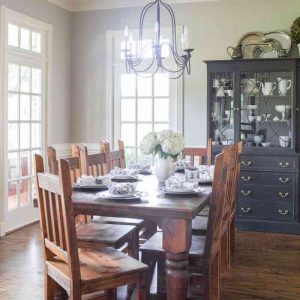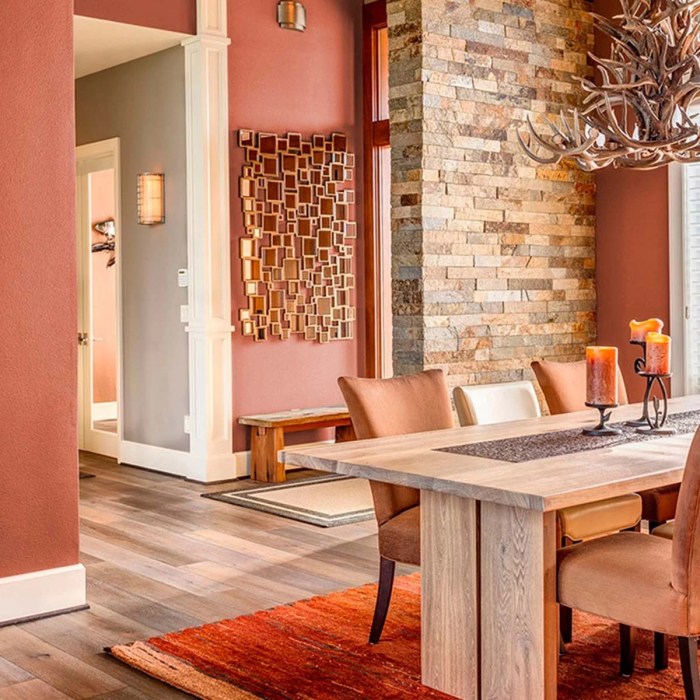
Step into the world of dining room color schemes where hues and shades transform spaces, setting the perfect ambiance for your gatherings. Discover how colors can breathe life into your dining area and reflect your unique style.
Explore the art of combining colors to create a harmonious yet striking look that will leave your guests in awe.
DINING ROOM
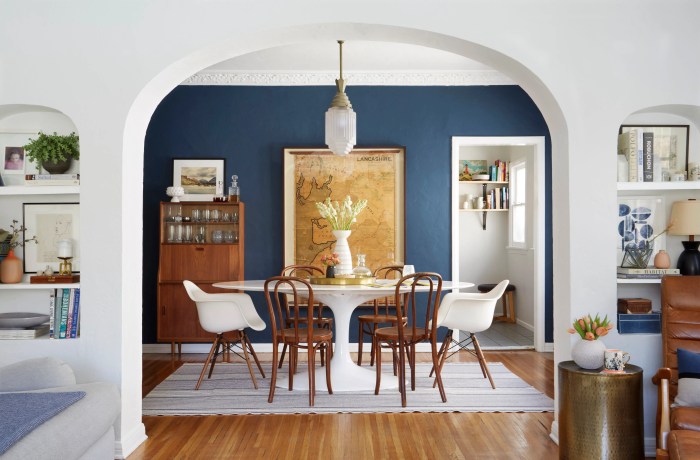
A dining room in a home serves as a space where family and friends can gather to enjoy meals together, share stories, and create lasting memories.
Creating a welcoming atmosphere in the dining room is essential as it sets the tone for enjoyable meals and conversations. The ambiance, lighting, and overall design play a crucial role in making guests feel comfortable and relaxed.
Maximizing Space in a Dining Room
When it comes to maximizing space in a dining room, there are several tips that can help optimize the layout and functionality of the area:
- Choose furniture that is proportionate to the size of the room to avoid overcrowding.
- Utilize wall-mounted shelves or cabinets to store dishes, glasses, and other dining essentials.
- Consider using a round table instead of a rectangular one to save space and encourage better flow in the room.
- Opt for multifunctional furniture pieces, such as extendable tables or benches with storage, to make the most of limited space.
- Use mirrors strategically to create an illusion of space and reflect natural light throughout the room.
DINING ROOM COLOR SCHEMES
When it comes to designing a dining room, the color scheme plays a crucial role in setting the mood and ambiance of the space. The right combination of colors can create a welcoming and comfortable atmosphere for dining and entertaining guests.
Popular color combinations for dining rooms often include:
1. Neutral Tones with Bold Accents
- Using neutral tones like beige, gray, or white as the base color, with bold accents in shades of navy, emerald green, or mustard yellow, can create a sophisticated and modern look.
2. Monochromatic Schemes
- Opting for a monochromatic color scheme, such as different shades of blue or gray, can add depth and elegance to the dining room while maintaining a sense of harmony.
3. Warm and Cozy Palettes
- Warm and cozy palettes featuring colors like terracotta, deep red, or burnt orange can make the dining room feel inviting and intimate, perfect for family gatherings.
It’s important to note that different color schemes can also influence the perceived size of a dining room:
Impact of Color Schemes on Perceived Size
Lighter colors like white, cream, or pastels can make a small dining room appear more spacious and airy, while darker shades like charcoal, navy, or chocolate brown can create a more intimate and cozy feel but might make the room seem smaller.
NEUTRAL TONES
Neutral tones like beige, gray, or cream can create a sophisticated dining room by providing a calming and versatile backdrop for various design elements.
Incorporating Pops of Color
When working with neutral tones in the dining room, incorporating pops of color can add interest and personality to the space. Here are some tips:
- Accent pieces: Add colorful accent pieces such as artwork, throw pillows, or a statement centerpiece to inject color into the room.
- Textiles: Use vibrant table linens, curtains, or chair cushions to bring in pops of color without overwhelming the neutral palette.
- Wall art: Hang colorful wall art or create a gallery wall with bright, eye-catching pieces to liven up the space.
Versatility of Neutral Color Schemes
Neutral color schemes are incredibly versatile and can adapt to different styles, making them a popular choice for dining rooms. Here’s how neutral tones can work with various design aesthetics:
| Modern: Pairing neutrals with sleek lines and minimalistic furniture creates a contemporary and clean look. |
| Rustic: Incorporating natural textures like wood and stone alongside neutral tones can evoke a cozy and inviting rustic feel. |
| Traditional: Using neutral tones as a base allows for classic furniture pieces and elegant accents to shine in a traditional dining room setting. |
BOLD AND VIBRANT COLORS
Adding bold and vibrant colors like red, blue, or green to a dining room can significantly enhance its personality and create a lively atmosphere. These colors can make a statement and bring energy to the space, making it more inviting for gatherings and meals.
Balancing Bold Colors with Neutrals
Integrating bold colors with neutrals is essential to avoid overwhelming the space. One idea is to use bold colors as accents through furniture, artwork, or decor pieces, while keeping the walls and larger furniture in neutral tones. This balance ensures that the bold colors pop without dominating the entire room.
Psychological Effects of Bold Colors
Bold colors in a dining room can have various psychological effects on individuals. For example, red is known to stimulate appetite and create a sense of excitement, making it a great choice for dining areas. Blue, on the other hand, promotes calmness and relaxation, ideal for creating a serene dining environment. Green is associated with nature and harmony, bringing a sense of balance and freshness to the space.
Elevate your dining experience with the power of colors. Whether you opt for soothing neutrals or bold tones, your dining room can become a true reflection of your personality and taste. Embrace the endless possibilities that color schemes offer and watch as your dining space comes to life.
Essential FAQs
How do color schemes impact the mood of a dining room?
Color schemes play a significant role in setting the ambiance of a dining room. Warm tones like red and orange can create a lively atmosphere, while cool tones like blue and green promote a sense of calmness.
Can I mix different color schemes in my dining room?
Absolutely! Mixing color schemes can add depth and visual interest to your dining room. Just ensure that the colors complement each other to maintain a cohesive look.
What are some tips for incorporating bold colors into a dining room?
To incorporate bold colors, consider using them as accents through furniture pieces, artwork, or decorative items. Pair bold colors with neutral tones to create a balanced and visually appealing space.